
Car-t-cell-therapy.
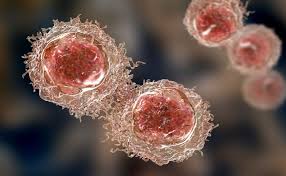
CAR-T cell therapy
CAR-T cell therapy is a cancer treatment that takes cells from the body and genetically changes them so they can fight cancer. It's most often used to treat cancers that affect blood cells, such as certain types of leukemia, lymphoma and multiple myeloma.
CAR-T cell therapy stands for chimeric antigen receptor (CAR)-T cell therapy. This treatment falls under the category of immunotherapy. Immunotherapy for cancer harnesses the body's immune system to attack cancer cells.
Making CAR-T cells starts with collecting a person's own T cells. T cells, also known as T lymphocytes, are a type of white blood cell. T cells are key players in the body's immune system because of their ability to identify and attack cells that don't belong in the body, such as germs and cancer cells.
For CAR-T cell therapy, T cells are collected from the blood using a process called leukapheresis. In the lab, these T cells are modified to produce synthetic proteins called chimeric antigen receptors (CARs).
The modified cells are called CAR-T cells. The cells are grown to much higher numbers in the lab and then infused back into the person's bloodstream.
The synthetic CARs allow the T cells to bind to specific proteins called antigens on cancer cells. This binding activates the T cells to kill the cancer cells. Dying cancer cells trigger further immune responses against the cancer. In addition, CAR-T cells can keep multiplying in the body, producing lasting anticancer results.
Types of CAR-T cell therapies
Different CARs can be made to target different antigens on the surface of cancer cells. The U.S. Food and Drug Administration (FDA) has approved many CAR-T cell therapy treatments for use. Some examples of these treatments include:- Tisagenlecleucel (Kymriah). : Tisagenlecleucel targets the CD19 antigen in pediatric and adult B-cell acute lymphoblastic leukemia, large B-cell lymphoma, and follicular lymphoma. Tisagenlecleucel also is known as tisa-cel.
- Axicabtagene ciloleucel (Yescarta): Axicabtagene ciloleucel targets the CD19 antigen in large B-cell lymphoma and follicular lymphoma. Axicabtagene ciloleucel also is known as axi-cel.
- Brexucabtagene autoleucel (Tecartus) : Brexucabtagene autoleucel targets the CD19 antigen in mantle cell lymphoma and adult B-cell acute lymphoblastic leukemia. Brexucabtagene autoleucel also is known as brexu-cel.
- Lisocabtagene maraleucel (Breyanzi): Lisocabtagene maraleucel targets CD19 in large B-cell lymphoma, chronic lymphocytic leukemia, follicular lymphoma and mantle cell lymphoma. Lisocabtagene maraleucel also is known as liso-cel.
- Idecabtagene vicleucel (Abecma): Idecabtagene vicleucel targets the B-cell maturation antigen (BCMA) in multiple myeloma. Idecabtagene vicleucel also is known as ide-cel.
- Ciltacabtagene autoleucel (Carvykti)Ciltacabtagene autoleucel targets BCMA in multiple myeloma. Ciltacabtagene autoleucel also is known as cilta-cel.
- Obecabtagene autoleucel (Aucatzyl). Obecabtagene autoleucel targets CD19 in adult B-cell acute lymphoblastic leukemia. Obecabtagene autoleucel also is known as obe-cel.
Risk Factors
Risk factors for urological cancers vary by the specific type:
- Kidney Cancer: Smoking, obesity, high blood pressure, family history, certain genetic conditions, long-term dialysis.
- Bladder Cancer: Smoking, exposure to certain chemicals, chronic bladder infections, family history, older age, being male.
- Prostate Cancer: Older age, family history, race (African American men have a higher risk), high-fat diet.
- Testicular Cancer: Undescended testicle (cryptorchidism), family history, previous testicular cancer, race (white men have a higher risk).
- Penile Cancer: HPV infection, phimosis (tight foreskin), smoking, poor hygiene.
Why it's done
CAR-T cell therapy is used to treat cancers that affect blood cells. This includes some types of leukemia, lymphoma and multiple myeloma:
- Doesn't respond to other treatments,also called refractory cancer.
- Comes back within 12 months after the first treatment, or after several prior treatments, also called recurrent or relapsing cancer.
- CAR-T cell therapy is approved to treat recurrences of the following cancers:
- B-cell acute lymphoblastic leukemia. This type of blood cancer is the most common cancer found in children.
- Chronic lymphocytic leukemia.This leukemia progresses more slowly than other leukemias. It occurs most often in older adults.
- Certain B-cell non-Hodgkin lymphomas.Lymphomas are cancers that affect white blood cells in the lymphatic system — a network of organs, glands, vessels and clusters of cells called lymph nodes. B-cell lymphomas for which CAR-T cell therapy may be an option include diffuse large B-cell lymphoma and primary mediastinal large B-cell lymphoma. They also include high-grade B-cell lymphoma, aggressive B-cell lymphoma not otherwise specified, follicular lymphoma and mantle cell lymphoma.
- Multiple myeloma.
- CAR-T cell therapy may not be for every person diagnosed with one of these cancers. Discuss the treatment risks and benefits with your cancer team. Also keep in mind that CAR-T cell therapy is evolving for many different types of cancers, sometimes in clinical trials. Ask your team if a clinical trial may be right for you.
Risks
Like other cancer treatments, CAR-T cell therapy has risks including long wait times and serious side effects that may require hospitalization. Some side effects can be life-threatening, so the healthcare team carefully watches for these side effects during and after treatment.